One-Pot Mediterranean Diet Dinners: The 2026 Shortcut to Eating Like a God Without the Dishes
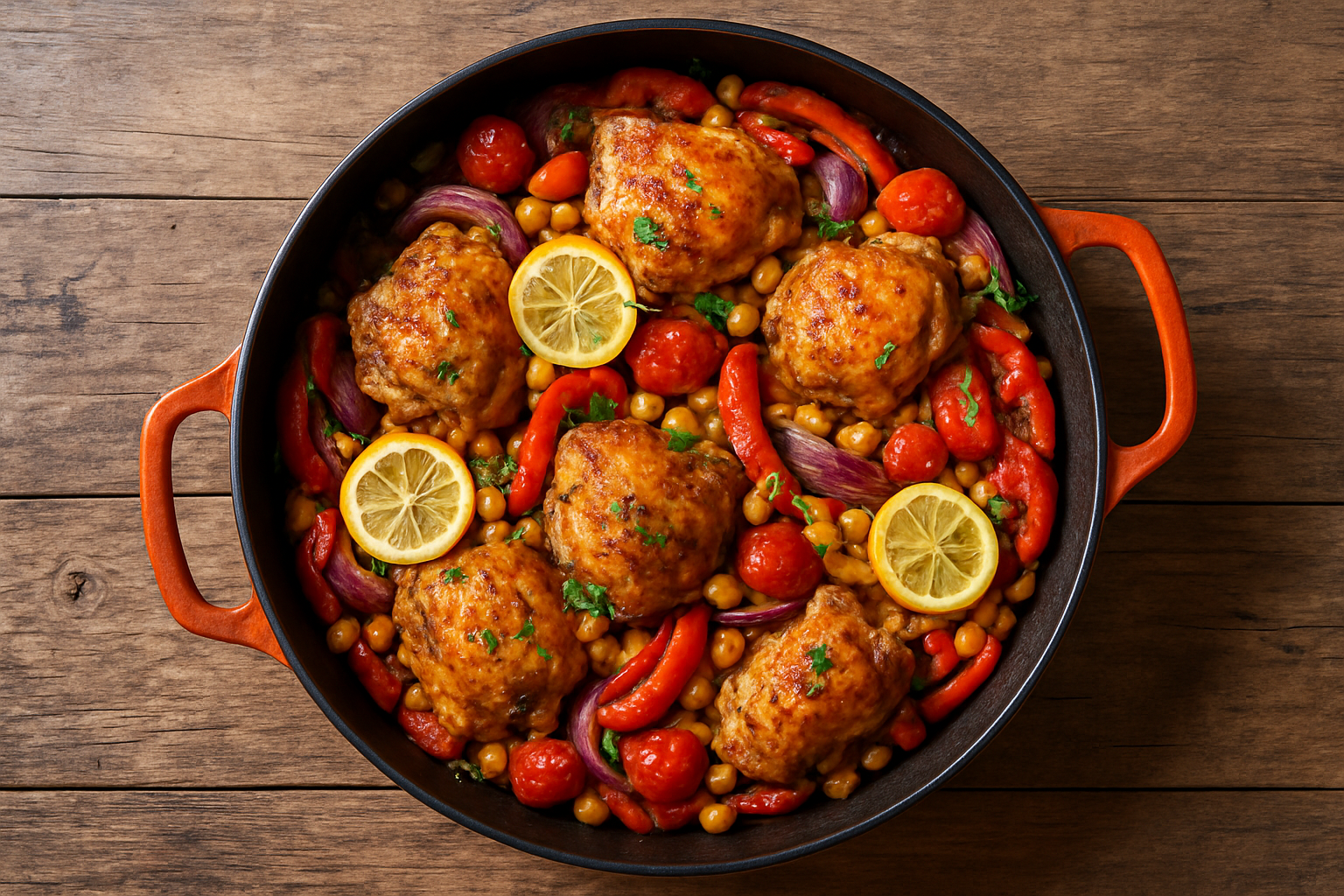
One-Pot Mediterranean Dinners: Your 2026 Shortcut to Healthy, Effortless Meals
It’s 6:47 PM. You’re staring into the fridge, mentally calculating the time between chopping, searing, boiling, and the mountain of dishes waiting for you. You want a meal that supports your energy, aligns with your health goals, and tastes incredible—but the effort feels overwhelming.
So you default to the same old routine or order takeout. Again.
This is the modern kitchen dilemma: the clash between aspiration and reality. We know the Mediterranean diet is the gold standard for health, but who has the time to cook like a nonna from Sicily after a long day?
The solution isn’t a new superfood. It’s a strategy. By combining the timeless principles of the Mediterranean diet with the sheer efficiency of one-pot cooking, you create a sustainable system.
This system delivers restaurant-quality flavor, top-tier nutrition, and a kitchen you can walk away from in under 30 minutes.
Let’s cut to the chase. This is about working smarter, not harder.
Why One-Pot Mediterranean Dinners Are a Lifestyle Game-Changer
This isn't just another recipe list. It's an operational upgrade for your kitchen. Think of it as streamlining a clunky process: you remove the bottlenecks of time and cleanup to boost your output—delicious, healthy food.
The Unbeatable Efficiency of One-Pot Cooking
The math is simple. One vessel for cooking means one vessel for cleaning. But the benefits go deeper:
* Streamlined Workflow: No juggling multiple burners or coordinating timers. Everything happens in one controlled environment.
* Deeper Flavor: Sequential, layered cooking in the same pot often creates more complex flavors than cooking components separately.
* Less Active Time: More simmering, less babysitting.
* Lower Mental Barrier: Washing a single pot or sheet pan feels like a victory, making it easier to cook on a busy weeknight.
Core Principles of the Mediterranean Diet Framework
Forget strict rules. Think of it as a flexible framework built on high-quality ingredients:
* Plant-Forward: Vegetables, whole grains, legumes, nuts, and fruits are the stars.
* Lean Proteins: Fish, poultry, and occasional red meat play a supporting role.
* Healthy Fats: Extra virgin olive oil is the cornerstone, used generously for cooking and finishing.
* Herbs & Spices: Flavor comes from garlic, oregano, lemon, and capers—ingredients that pack a punch without empty calories.
It’s a pattern of eating proven to support heart health, cognitive function, and sustainable weight management.
The Combined Health and Practical Benefits
Merging these concepts creates powerful synergy:
* Supports physical health with anti-inflammatory, nutrient-dense meals.
* Slashes decision fatigue with a versatile template: protein + veg + grain/legume + fat + herb.
* Delivers culinary depth without advanced skills or obscure ingredients.
* Transforms cooking from a chore into a manageable, enjoyable practice.
Building Your One-Pot Mediterranean Kitchen
You don’t need a kitchen remodel—just strategic staples and the right tools.
Pantry Staples: Your Flavor Command Center
Stock these non-perishable foundations:
* Whole Grains & Legumes: Quinoa, farro, brown rice, canned chickpeas, lentils, cannellini beans.
* The Essential Fat: A quality extra virgin olive oil (one for cooking, one for finishing).
* The Flavor Arsenal: Dried oregano, thyme, rosemary, smoked paprika, cumin, red pepper flakes, capers, Kalamata olives, sun-dried tomatoes, tomato paste.
Flexible Protein Selection
Rotate for variety and broad nutrition:
* Plant-Based: Lentils and chickpeas (hearty and flavor-absorbent).
* Animal Protein: Skinless chicken thighs, sustainable cod, shrimp, or salmon.
Essential Equipment: Your One-Pot Partner
Your vessel dictates your technique:
* Dutch Oven (Enameled Cast Iron): The MVP for soups, stews, and braises. Goes from stovetop to oven.
* Deep Skillet (Stainless Steel): Ideal for quick sautés and skillet meals with a good sear.
* Rimmed Sheet Pan: Perfect for hands-off roasted vegetable and chickpea dinners.
Your Technical Guide to One-Pot Mediterranean Dinners
Master these fundamental techniques.
Step 1: Build the Flavor Foundation
Never skip sautéing your aromatics. Start with diced onion, minced garlic, and chopped celery or carrot in olive oil until soft and fragrant. This is your flavor bedrock.
Pro Tip: If you sear protein first, deglaze the browned bits (fond) with wine or broth to incorporate concentrated flavor into your sauce.
Step 2: Layer Ingredients for Perfect Texture
Strategic sequencing prevents mush:
1. Longest Cook Time: Root vegetables or uncooked grains.
2. Add Liquid: Broth, water, or canned tomatoes. Simmer.
3. Mid-Cook Additions: Quicker-cooking veggies like zucchini or bell peppers.
4. Final Touches: Pre-cooked legumes, delicate greens (spinach, kale), and fresh herbs in the last few minutes.
Manage Liquid: Remember, vegetables release water. Adjust ratios accordingly (e.g., 2:1 liquid to quinoa).
Step 3: Adapt Classic Recipes
Transform almost any idea:
* Seafood Stew: Build a tomato-fennel broth, add potatoes, then nestle in fish fillets at the end.
* Chicken & Rice: Brown chicken, remove, toast rice in drippings, add broth/veg, return chicken to finish.
The principle is constant: build flavors in stages within the same vessel.
A Week of One-Pot Mediterranean Dinners: Real-World Templates
1. 30-Minute Lemon Herb Chicken & Quinoa
The Method: In a deep skillet, sear seasoned chicken thighs until golden. Remove. Sauté onion and garlic in the same skillet. Add quinoa and toast for 1 minute. Pour in broth and lemon juice. Nestle chicken back in, cover, and simmer until cooked through. Finish with parsley and dill.
2. Hearty Fisherman's Stew with White Beans & Kale
The Method: Sauté fennel and onion. Add garlic, tomato paste, and smoked paprika. Deglaze with white wine. Add crushed tomatoes, broth, and canned white beans. Simmer. In the last 5-7 minutes, add firm white fish and kale. Serve with a drizzle of EVOO.
3. Roasted Vegetable & Chickpea Sheet Pan Dinner
The Method: Toss chopped seasonal vegetables and drained chickpeas with olive oil, cumin, and oregano on a sheet pan. Roast at 425°F until caramelized. In the last few minutes, add cherry tomatoes and feta cheese.
Pro Tips for Success & Avoiding Common Pitfalls
Mistakes to Avoid
- Overcrowding the Pan: This leads to steaming, not browning. Cook in batches if needed.
- Incorrect Liquid Ratios: Too much makes soup; too little leaves grains undercooked.
- Adding Delicate Ingredients Too Early: Fresh herbs, spinach, or pre-cooked shrimp should go in at the end.
Advanced Flavor Techniques
- Toast Your Spices & Grains: Wake up their essential oils in the hot oil for 30-60 seconds before adding liquid.
- Use Flavor Bombs: Stir in chopped preserved lemons or olives at the end for a salty, briny punch.
- The Finishing Drizzle: A tablespoon of high-quality extra virgin olive oil over the plated dish adds a fresh, fruity aroma.
Adapting for Dietary Needs
- Gluten-Free: Swap orzo for quinoa or rice.
- Dairy-Free: Omit feta or use a vegan alternative.
- More Protein: Add an extra can of beans or lentils.
- Adjust Heat: Control red pepper flakes or add harissa paste.
The Future of Home Cooking: Efficiency Meets Wellness
This approach aligns perfectly with 2026 trends:
* Gut-Health Focus: The Mediterranean diet is rich in anti-inflammatory, fiber-rich foods.
* Efficient "Solo Meals": Scales perfectly for one or two without waste.
* Plant-Forward Flexibility: Makes eating more plants the easiest, most delicious default.
* Innovation: Multi-functional cookware and accessible global ingredients (za'atar, sumac) support this style seamlessly.
Embrace a Simpler, Healthier Way to Eat
The powerful combination of the Mediterranean diet's health credentials with the practicality of one-pot cooking creates sustainable success.
It’s a shift away from chaotic, stressful dinners toward a manageable, nutritious, and enjoyable routine.
Start with one recipe this week. Experience the victory of a flavorful meal and an empty sink. Your future self—with more time and better energy—will thank you.
For more on building foundational healthy habits, our guide on postpartum recovery covers the importance of nourishing, manageable meals during major life transitions.
Frequently Asked Questions (FAQ)
Q: Is it safe to cook poultry and grains together in one pot?
A: Yes, if you follow the sequence. Ensure poultry reaches 165°F internally. By browning it first, then finishing its cooking in simmering liquid with grains, everything cooks through safely. A digital meat thermometer is recommended.
Q: What's the real return on investment for my time and budget?
A: Financially, pantry staples have a high upfront cost but excellent cost-per-use over time, reducing reliance on takeout. Time-wise, you consolidate active cooking and cleanup, often cutting total kitchen time by 30-40% compared to multi-pot meals.
Q: Should I use this method for every meal?
A: Consider it your primary weeknight workhorse. It's designed for efficiency. It doesn't replace the joy of weekend grilling or complex projects but ensures you eat well consistently, freeing up time for those occasions.
Q: I have a tiny kitchen. What's the one essential pot?
A: Invest in a 5 to 6-quart enameled cast iron Dutch oven (like the Lodge Enameled Cast Iron Dutch Oven). It's the most versatile tool for sautéing, simmering, braising, and even baking.
Q: How do I avoid getting stuck in a recipe rut?
A: Your mitigation strategy is your spice drawer and seasonal produce. Use the same template but change the flavor profile: Spanish (cumin, paprika) one night, Greek (lemon, oregano) the next. Swap vegetables with the seasons. The template is rigid, but the ingredients are endlessly flexible.