The 2026 Plant-Based Muscle Blueprint: How to Build Serious Mass Without Meat
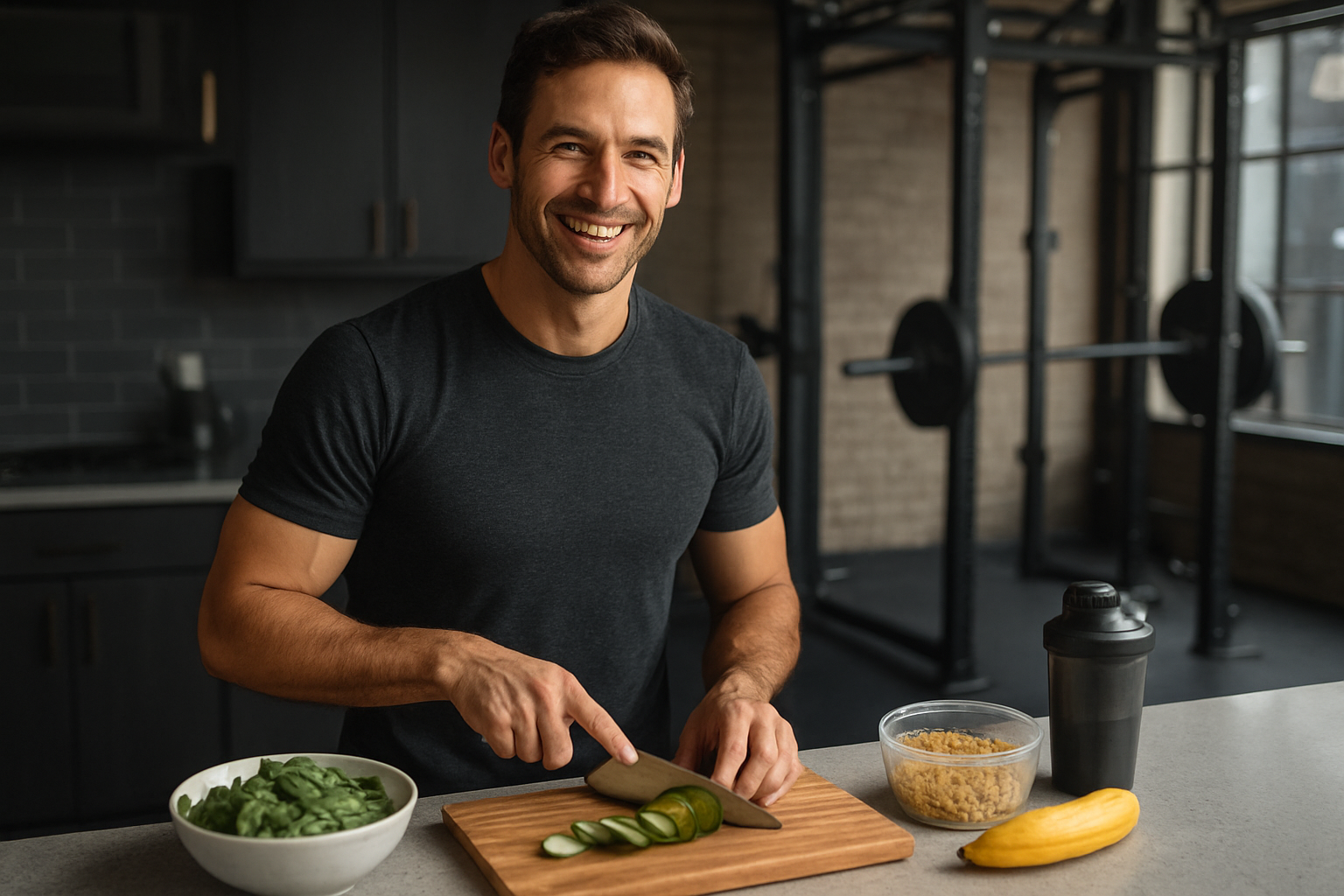
The 2026 Plant-Based Muscle Blueprint: How to Build Serious Mass Without Meat
If you’re a dedicated professional putting in the work at the gym but seeing no progress, you’re not alone. A common scenario: the scale is stuck, lifts have plateaued, and the diet—while "clean" with salads and grains—isn't delivering results.
Often, the issue is a nutritional trap. Many plant-based diets become unintentionally carb-heavy, providing ample fiber but critically low protein—sometimes as little as 60 grams daily. This is the primary reason people struggle to build muscle without meat.
The outdated stereotype of the weak vegan bodybuilder is gone. Today's top athletes prove that muscle is built with precise nutrition, not animal products. The barrier isn't a lack of plant-based protein; it's a lack of strategy.
The solution is a targeted approach leveraging complete proteins, intelligent nutrient timing, and meals engineered for hypertrophy. This isn't just about eating plants—it's about strategically using them for growth.
The Science of Plant-Based Muscle Protein Synthesis
Let's be clear: your muscles only recognize amino acids, not their source. They require nine Essential Amino Acids (EAAs) that your body cannot produce, with leucine acting as the critical trigger for Muscle Protein Synthesis (MPS)—the process of building new muscle tissue.
Complete vs. Incomplete Proteins: A Modern View
The old notion that plant proteins are "incomplete" is mostly outdated. A complete protein contains sufficient amounts of all nine EAAs. Sources like soy, quinoa, hemp seeds, and nutritional yeast are complete. Others, like beans or rice, may be lower in one or two.
Here’s the key insight: you don’t need to combine complementary proteins at every meal.
Your body maintains an amino acid pool. By consuming a variety of protein sources throughout the day, you supply all the necessary building blocks. Think of it as managing your daily nutritional portfolio, not micromanaging every plate.
Protein Timing, Digestion, and Bioavailability
The post-workout "anabolic window" is less a critical emergency and more a prime opportunity. For plant-based athletes, consistency is paramount. Aim for 20-40 grams of protein every 3-4 hours to sustain MPS.
Bioavailability—the amount of protein your body can absorb—can be slightly lower in some plants due to fiber and anti-nutrients. Simple techniques like soaking lentils, sprouting grains, or choosing fermented options like tempeh can significantly improve absorption. These minor optimizations yield major compound benefits.
Calculating Your Protein Needs for Hypertrophy
Forget the standard RDA. To build muscle, you need more. Research indicates the optimal range for plant-based lifters is 1.6 to 2.2 grams of protein per kilogram of body weight daily.
For an 82 kg (180 lb) individual, that’s 130 to 180 grams per day.
Increase your intake if you have very high training volume, are in a calorie deficit, or are over 50. Track your consumption for one week—you might be surprised by the results.
Essential High-Protein Plant-Based Foods for Muscle Gain
Building a muscle-focused pantry is your first strategic move. These are your foundational assets.
Legumes and Pulses: The Protein Workhorses
Lentils, chickpeas, and black beans are staples. One cup of cooked lentils provides about 18 grams of protein and 15 grams of fiber. They are versatile, cost-effective, and ideal for batch cooking. Pro tip: Use an Instant Pot to cook dried beans from scratch in under an hour, saving money and reducing sodium compared to canned versions.
Soy-Based Powerhouses: Tofu, Tempeh, and Edamame
Soy is a complete protein and a bodybuilding ally. Firm tofu offers about 10g of protein per ½ cup and adapts to any flavor profile. Tempeh, a fermented soy product, is denser with about 15g per ½ cup and offers enhanced nutrients. Rest assured, the science firmly supports soy's safety and efficacy for muscle and health.
Seitan and Vital Wheat Gluten: The High-Protein "Meat" Alternative
This is a secret weapon for mass. Seitan, made from vital wheat gluten, delivers a staggering 25 grams of protein per 3.5-ounce serving. Its chewy, meaty texture is perfect for stir-fries, stews, and homemade cutlets. Note: It is pure gluten, so it's unsuitable for those with celiac disease or sensitivities.
Seeds, Nuts, and Whole Grains: The Supporting Cast
Don't overlook these. Hemp seeds (10g protein per 3 tablespoons) are a complete protein. Pumpkin seeds are rich in zinc, crucial for testosterone and immune function. Quinoa is a complete-protein grain. These additions provide protein, healthy fats, and the calorie density needed for a surplus. A high-quality plant-based protein powder is also a convenient tool, especially post-workout.
High-Protein Plant-Based Recipes for Muscle Gain: A 7-Day Meal Prep Blueprint
This is where theory meets your plate. Our philosophy prioritizes the protein-per-calorie ratio—maximizing grams of protein per calorie to support lean mass gains, not just weight gain.
Breakfast Recipes to Kickstart Anabolism
Tofu Scramble Power Bowl with Black Beans and Spinach (35g+ protein)
This is no sad, watery scramble. Crumble extra-firm tofu and sauté it with turmeric, black salt (for an eggy flavor), nutritional yeast, and smoked paprika. Serve over ½ cup of black beans and sautéed spinach. The combination of tofu and beans creates a complete amino acid profile for sustained energy.
High-Protein Vegan Lentil and Oat Breakfast Muffins (20g+ protein)
A meal-prep genius. Blend cooked red lentils into your oat batter with a scoop of vanilla pea protein powder. These portable muffins deliver complex carbs and protein, ideal for early mornings or a pre-gym snack.
Lunch & Dinner Recipes for Sustained Muscle Growth
Tempeh & Chickpea "Chicken" Salad Stuffed Avocados (40g+ protein)
Steam and cube tempeh, then mash it with chickpeas, vegan mayo, celery, onion, and dill. Stuff the mixture into halved avocados. This provides a powerful protein and fiber combination, with healthy fats from avocado aiding hormone function and satiety.
Ultimate Seitan and Black Bean Burger with Sweet Potato Wedges (45g+ protein)
Homemade outperforms store-bought. Blend vital wheat gluten with mashed black beans, spices, and a touch of beet juice for color. Bake or pan-fry. Serve on a whole-grain bun with baked sweet potato wedges for a mass-building powerhouse meal.
Creamy Red Lentil and Coconut Curry with Turmeric Rice (30g+ protein)
Red lentils cook down into a creamy, protein-rich curry base. Simmer them with coconut milk, ginger, garlic, and curry spices. Serve over turmeric-infused brown rice. This is anti-inflammatory, recovery-focused fuel that tastes incredible.
Post-Workout Shakes and Recovery Snacks
The Complete Plant-Based Gain Shake (50g+ protein)
Blend: 2 scoops of a blended pea and rice protein powder, 1 banana, 2 tablespoons of peanut butter, a handful of spinach, and unsweetened almond milk. This is your anabolic window solution.
No-Bake Chocolate Hemp Seed Protein Bites
Mix rolled oats, hemp seeds, pea protein powder, almond butter, maple syrup, and cocoa powder. Roll into balls. Keep these refrigerated for a quick protein and energy boost—a far superior alternative to sugary, expensive protein bars.
Optimization, Supplementation, and Common Pitfalls
The best recipes can fail without attention to these critical details.
When to Consider Plant-Based Protein Powder Supplements
Prioritize whole foods. However, consuming 180g of protein solely from lentils and tofu is a volume challenge. A clean protein powder is a strategic tool, not a crutch.
Choose powders with transparent labeling. Avoid "proprietary blends." A blend of pea and rice protein typically offers an excellent amino acid profile. A high-quality vegan protein powder can be the difference between hitting or missing your daily target.
Critical Micronutrients for Plant-Based Athletes
Muscle function depends on more than protein.
* Vitamin B12: Non-negotiable. Supplement. It's essential for nerve function and energy metabolism.
* Iron: Plant-based (non-heme) iron is less absorbable. Pair iron-rich foods (lentils, spinach) with vitamin C (bell peppers, citrus) to boost uptake.
* Zinc: Vital for immune function and protein synthesis. Found in pumpkin seeds, chickpeas, and cashews.
* Omega-3s (DHA/EPA): The active forms aren't sufficiently available in flaxseeds alone. Consider an algae-based supplement for optimal brain and joint health.
Avoiding Common Mistakes: The "Carb-Heavy" Trap and Caloric Surplus
This is crucial. A bowl of rice, beans, and broccoli is healthy but may be 70% carbs. You must be intentional. Make protein the centerpiece of every meal. Use a tracking app for one week. Are you in a consistent caloric surplus (consuming more than you burn)? If not, you won't gain mass. Integrate calorie-dense foods like nuts, seeds, avocados, and healthy oils.
Case Study: A 12-Week Plant-Based Muscle Gain Transformation
Let's examine a real-world application.
Subject Profile & Starting Metrics
"Mark," 32, software engineer. Training for 3 years but plateaued. Starting weight: 165 lbs at 18% body fat. His "flexitarian" diet was inconsistent and low in protein.
The Implemented Nutrition and Training Protocol
We built his plan using the recipes above. Target: 2,800 calories, 165g protein daily. He meal-prepped the tofu scramble, tempeh salads, and seitan burgers, using a pea protein isolate post-workout. Training followed a 5-day split focused on progressive overload.
Results, Biomarkers, and Key Takeaways
After 12 weeks:
* Weight: 175 lbs (+10 lbs)
* Body Fat: ~17% (indicating lean mass gain)
* Strength: Bench press increased by 30 lbs.
* Bloodwork: Protein and iron levels were optimal. B12 was maintained with supplementation.
The takeaway: Consistency with high-protein meals and a slight caloric surplus drove results. The plant-based diet supported recovery, with Mark reporting less inflammation.
Conclusion: The Future of Plant-Powered Performance
Building muscle on a plant-based diet is no longer experimental—it's a science-backed, highly effective strategy. It requires knowledge of protein sources, nutrient timing, and strategic supplementation. The reward is a stronger, healthier, and more sustainable physique.
The market is flourishing with advanced plant-based proteins and personalized nutrition technology. Elite athletes are leading this charge. The question is no longer "can you?" but "when will you start?"
FAQ: High-Protein Plant-Based Nutrition for Muscle Gain
Can I really get enough complete protein from plants without combining them at every meal?
Absolutely. The strict "protein combining" rule has been debunked. Your liver maintains an amino acid pool. By eating a variety of protein sources throughout the day (soy, legumes, grains, seeds), your body receives all the essential amino acids it needs for muscle protein synthesis. Focus on your daily total, not meal-by-meal perfection.
What is the single best plant-based protein source for muscle building?
For pure protein density, seitan leads (25g per small serving). For a complete, versatile, and research-backed whole food, soy (tofu, tempeh, edamame) is the gold standard. For convenience and rapid post-workout absorption, a high-quality blended plant protein powder (pea and rice) is highly effective.
I'm struggling to eat enough calories for a surplus. What are some high-calorie, high-protein vegan foods?
This is a common hurdle. Focus on:
1. Nut and Seed Butters: Peanut, almond, or tahini. Add to shakes, oats, or use as a dip.
2. Avocados: Excellent source of healthy fats and fiber.
3. Dried Fruits: Such as dates, paired with nut butter for a quick snack.
4. Coconut Milk: Use full-fat in curries and sauces.
5. Olive Oil and Avocado Oil: An easy way to add 120 calories per tablespoon to salads or cooked dishes.
Prioritize calorie-dense sides and cook with healthy oils to achieve your surplus without feeling overly full. For a deeper understanding of why maintaining muscle mass is critical for long-term health, explore our guide on The Silent Thief: How Muscle Loss Steals Your Health.