The Art of Sourdough: Your 2026 Guide to Fixing a Sluggish, Smelly, or Sad Starter
The Art of Sourdough: Your 2026 Guide to Fixing a Sluggish, Smelly, or Sad Starter
You followed the recipe. You fed it religiously. Yet, it sits on your counter—a flat, lifeless, or oddly fragrant paste. In 2026, your sourdough starter shouldn't feel like the most unpredictable piece of tech in your kitchen.
A starter isn't just an ingredient; it's a living microbial ecosystem. Like any complex system, it can fail. This guide moves beyond basic recipes into a modern diagnostic framework. We’ll identify symptoms, pinpoint root causes—from lactic acid bacteria (LAB) imbalance to environmental stress—and implement proven fixes. Let's future-proof your starter.
Understanding Your Sourdough Starter: A 2026 Ecosystem Perspective
Think of your jar as a tiny, edible startup. It has co-founders, a growth cycle, and it’s sensitive to its funding (flour) and office environment (your kitchen).
The Microbiome in Your Jar: Yeast & LAB Harmony
Your starter hosts a symbiotic community. Wild yeast (like Saccharomyces and Candida) create the rise by producing carbon dioxide. Lactic acid bacteria (LAB) are the flavor engineers, producing lactic and acetic acid. The goal is to manage their balance. A healthy starter is a peaceful, productive co-working space.
Feeding Ratios Decoded: Beyond the 1:1:1 Rule
The classic 1:1:1 ratio (starter:water:flour by weight) is a great baseline, not a universal law. It promotes a moderately acidic, fast-fermenting environment. Want more sour flavor or a slower, resilient culture? Adjust the ratio. A 1:2:2 or 1:3:3 feeding (less old starter, more fresh food) creates a milder, yeast-forward culture. It’s about controlling the inoculation rate.
Environmental Factors: Temperature, Humidity, and Flour Type
Your starter’s metabolism is temperature-dependent. At 75°F (24°C), it hits its sweet spot, doubling in 4-6 hours. At 65°F (18°C), it slows significantly. Chlorine in tap water can inhibit microbes—use filtered or bottled water. Flour is your venture capital. Whole grain rye is like a massive seed round, packed with nutrients. All-purpose flour offers steady, reliable growth.
The Starter Lifecycle: Peak Activity, Dormancy, and Discard
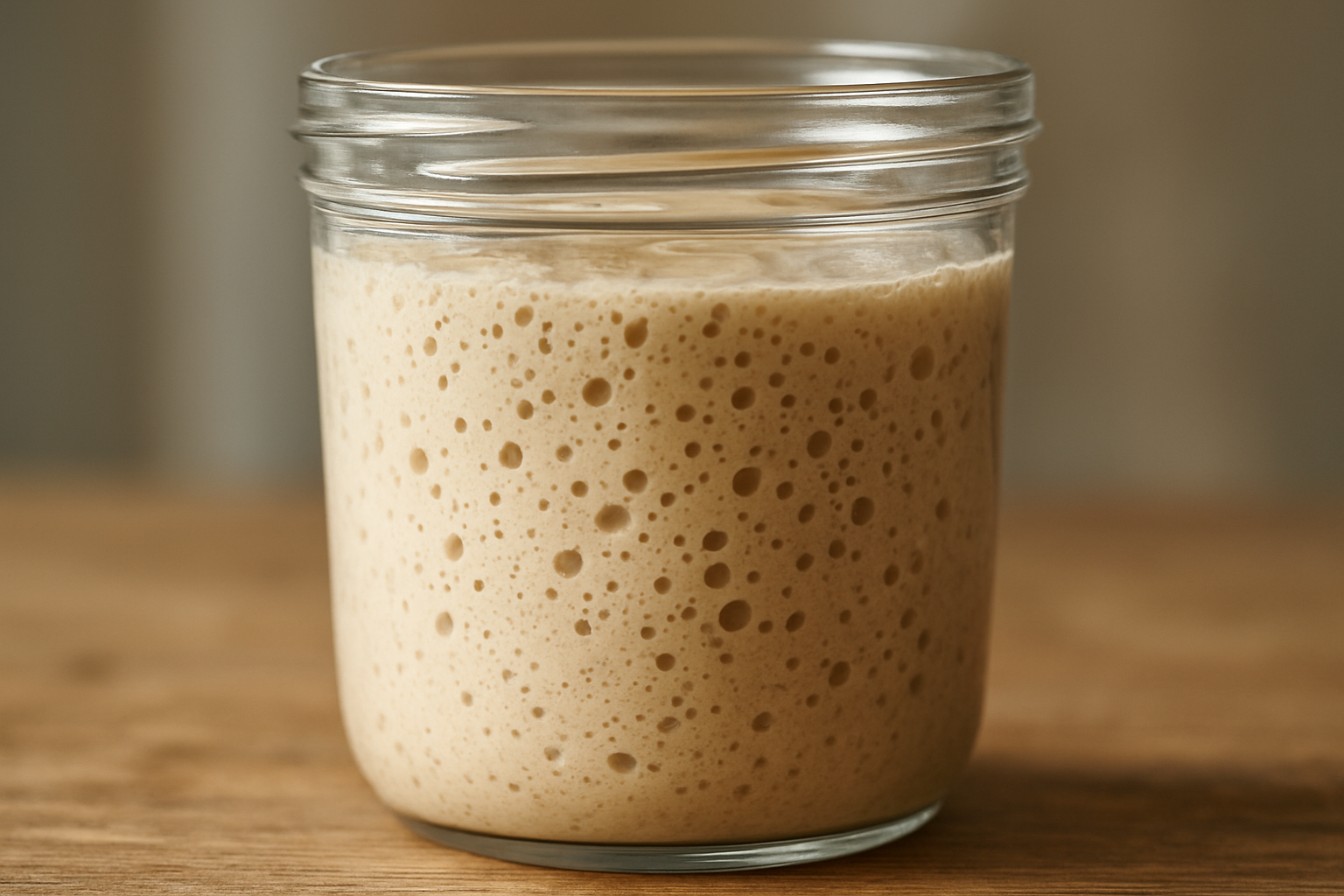
A starter isn't always bake-ready. After feeding, it enters a lag phase, rises to peak activity (bubbly, domed, passes the float test), then collapses and produces hooch (alcoholic liquid). Recognizing these phases is key to timing your bakes and managing discard.
Troubleshooting Your Sourdough Starter: A Diagnostic Guide
Let's diagnose the most common complaints.
Symptom: Starter is Inactive or Slow
The Problem: You feed it, wait 8 hours, and see no bubbles or rise.
Causes & Fixes:
* Underfeeding/Overcrowding: Too much old starter starves microbes. Fix: Use a higher feeding ratio (e.g., 1:4:4) to dilute acidic byproducts.
* Cold Environment: A chilly kitchen slows fermentation. Fix: Find a warm spot (75-80°F), like the top of the fridge, an oven with the light on, or a dedicated proofing box.
* Weak Flour/Chlorinated Water: The building blocks are flawed. Fix: Switch to unbleached, organic flour and filtered water for one cycle. A splash of whole rye can revive activity.
The Intensive Care Protocol: For a truly sluggish starter, discard all but a tablespoon. Feed it a 1:1:1 ratio with whole rye flour and warm water. Place it in a warm spot. Repeat every 12 hours. You should see signs of life in 2-3 rounds—this is a system reboot.
Symptom: Unusual Smells (Vinegar, Nail Polish, Alcohol)
The Problem: It smells like a chemistry lab, not a bakery.
Interpreting the Aroma:
* Vinegar/Acetone (Nail Polish Remover): Indicates acetic acid bacteria (AAB) dominance, often from a hungry, acidic, or cool starter. It’s imbalanced, not bad.
* Strong Alcohol/Solvent: Yeast is producing ethanol rapidly, or LAB are struggling—a sign of hunger and high acidity.
* Rotten, Putrid, or Fecal Smells: STOP. This indicates harmful bacterial contamination. Discard everything and sterilize your jar.
Rebalancing Acidity: For vinegar/alcohol smells, feed more frequently (every 12 hours) with a higher ratio (1:5:5) to dilute acids. Move it to a slightly warmer spot to favor yeast activity.
Symptom: Discoloration or Mold
The Problem: You see unexpected colors.
Safe vs. Unsafe:
* Grayish Liquid (Hooch): SAFE. This is separated alcohol and water, a sign of hunger. Stir it back in for sourness or pour it off for milder flavor.
* Pink, Orange, or Green Streaks/Fuzz: UNSAFE. This is mold. The mycotoxins are not worth the risk.
The Salvage Test: Some bakers scrape off surface mold and transfer starter from the center to a new, sterilized jar. However, mold roots can be invisible. In 2026, our advice is to discard and start over. Prevent mold by using a clean jar regularly and ensuring the starter isn’t too dry on top.
Symptom: Excessive Liquid (Hooch)
The Problem: A dark liquid layer sits on top.
Why It Forms: Hooch is a metabolic byproduct and a distress signal. It means your starter is starving or too cold.
Proper Management: For a tangier loaf, stir the hooch back in before feeding. For a milder profile, pour it off. Then, feed immediately. Constant hooch means you need to feed more frequently or increase your feeding ratio.
Advanced Starter Management for 2026
Once stable, optimize for performance.
Optimizing Hydration for Different Flours
A 100% hydration starter (equal water and flour by weight) is standard. But different flours absorb water differently. For a stiffer, manageable starter, try 80% hydration. For high-hydration doughs, use 100% or 110% hydration. Precision requires a digital kitchen scale.
Counter Maintenance vs. Cold Storage: A Strategic Choice
- Counter Maintenance (Daily Feeding): Ideal for baking 3+ times a week. Keeps the culture at peak readiness but uses more flour.
- Cold Storage (Fridge): The standard for most. Feed once a week. Pull it out 12-24 hours before baking for 1-2 refreshes. This is key for managing sourdough discard.
Leveraging Discard: Zero-Waste Baking Recipes
Discard is unfed, acidic starter with no leavening power but incredible flavor. Store it in an airtight container in the fridge for 1-2 weeks. Use it in discard recipes like savory pancakes, waffles, crackers, or quick breads to add complex tang and reduce waste.
Building a Robust Starter for High-Hydration Doughs
High-hydration doughs (75%+ water) require a strong, acidic starter. Cultivate this by maintaining a warmer starter (78-80°F) and using a portion of whole grain flour in your feeds. This builds a resilient community for extended, wet fermentation.
Case Study: From Bakery-Scale to Home Kitchen Consistency
Paige Grandjean, a former bakery owner, told Yahoo Lifestyle, “When I had my bakery in New Orleans, we were making 10,000 loaves of bread by hand each week, and we used the same starter in all of them.” The secret was ruthless consistency.
The Pro Baker's Secret: Routine Over Ritual
They fed it the same flour, at the same time and temperature, every day. The controlled environment removed variables, turning a living culture into a reliable, industrial-scale ingredient.
Adapting Commercial Resilience for Home Use
Adopt the mindset. Pick a schedule and stick to it. Use the same brand of flour. Find a warm, consistent spot. This predictability lets your unique microbiome stabilize.
Tools for Precision: Digital Scales and Temperature Controllers
Eyeballing is for Instagram, not consistency. A high-precision digital scale is non-negotiable. For the serious baker, a dough proofer or temperature controller is the ultimate upgrade, providing a stable 75-78°F environment. It’s the difference between guessing and knowing.
The Future of Sourdough: Science and Trends in 2026
The frontier is moving from artisanal mystery to data-driven craft.
Flavor by Design: How Flour Choice Impacts Microbial Activity
A 2026 study in Microbiology Spectrum confirmed flour type directly shapes the microbial community and final flavor. Want fruity esters? Feed with spelt. Desire deep, sour notes? Use rye. We’re entering an era of flavor profiling through strategic feeding.
Tech-Enabled Starters: Sensors and Smart Jar Concepts
Prototypes for “smart jars” with pH sensors and temperature monitors that sync to apps are emerging. They’d alert you to feed at peak acidity. While perhaps overkill, it signals a trend toward demystification through data. For now, your eyes, nose, and a reliable instant-read thermometer are your best sensors.
Sustainability Focus: Local Microbes and Grain Revitalization
The next trend is hyper-localism. Capture wild yeast and bacteria from your environment to create a unique starter. Pair this with stone-milled flour from local, regenerative farms, and your sourdough becomes an expression of your local ecosystem.
Conclusion: Mastering the Living Foundation
Troubleshooting isn't about rigid rules. It’s about becoming a keen observer and responsive caretaker. The pillars are simple: consistency in feeding, quality in ingredients, and stability in environment.
As home baking science accelerates, more tools will bring bakery-level precision to our kitchens. But the core remains. You’re not just baking bread; you’re cultivating a living tradition. Nurture it with knowledge, and it will reward you with loaves worth the patience.
FAQ: Your Sourdough Starter Questions Answered
My starter passes the float test but my bread is dense. What's wrong?
The float test only indicates gas content, not strength. A starter can be bubbly but weak from an underdeveloped gluten network or high acidity. The issue likely shifts to dough handling—insufficient fermentation, improper shaping, or lack of gluten development. For more on building foundational strength, see our guide on combating age-related muscle loss.
How can I tell if my sourdough starter is truly bad and unsafe?
Trust your senses. Safe: Bubbly activity, a tangy, yogurt-like or vinegar smell, and grayish hooch. Unsafe: Any visible pink, orange, or green mold. A putrid, rotten, or fecal smell (distinct from strong vinegar). When in doubt, throw it out.
I'm going on vacation. What's the best method to pause my starter?
Use the fridge. The day before you leave, give a normal feeding. Let it sit at room temperature for 2-3 hours, then seal and place it in the back of the refrigerator. A healthy starter can hibernate for 3-4 weeks. Upon return, it may have hooch. Pour it off or stir it in, take a small portion, and give it 1-2 fresh feedings to revive.
What are the technical barriers to pro-level consistency for a home baker?
The main barriers are environmental control and measurement precision. Home kitchens have wild temperature swings. Solve this with a digital scale ($20-30) and an instant-read thermometer ($15). For the committed baker, a temperature-controlled proofing box (from ~$100) is the single biggest upgrade.
Is a starter a replacement for commercial yeast, or just a sidekick?
It’s a complete replacement for most breads, but a different tool. Commercial yeast is a single, predictable strain for a fast, consistent rise. Sourdough is a complex community for slow, flavorful, nuanced fermentation. You can't directly substitute one for the other without adjusting timings. Think of commercial yeast as a sprint and sourdough as a marathon. Sourdough offers irreplaceable depth of flavor and digestibility.